Understanding the Impact of Climate Change on Pest Distribution
Climate change is changing the conditions under which agricultural pests survive, reproduce and spread. For Malawi, where much of agriculture depends on rainfall, changes in temperature, rainfall patterns and extreme weather events can create new challenges for farmers and plant-health authorities.
The relationship between climate and pest distribution is an important area of focus for the Malawi Digital Plant Health Service (MaDiPHS), which is working to strengthen the use of digital technologies and data for more effective pest and disease management in Malawi.
Climate and the movement of pests
Temperature, rainfall and other environmental conditions influence where pests can survive and how quickly their populations develop. Changes in these conditions can alter the timing and location of pest outbreaks.
In Malawi, recent plant-health activities have highlighted the connection between climate-related events and pest threats. The Food and Agriculture Organization reported in April 2026 that cyclones, erratic rainfall, floods and droughts are contributing to challenges associated with destructive pests such as Fall Armyworm and Tomato Leaf Miner.
These changes make it increasingly important to understand not only where pests are currently found, but also how environmental conditions may influence their distribution over time.
The role of data in understanding pest distribution
This is where digital plant-health services can play an important role.
The MaDiPHS Integration Platform provides access to historical weather, climate and pest information, including quality-controlled measurements of temperature, precipitation and wind. Such datasets can help researchers, developers and agricultural stakeholders explore relationships between environmental conditions and pest occurrence.
The MaDiPHS Knowledge Library also brings together crop pest and disease data, weather information, agronomic data and other agricultural knowledge resources that can be searched using metadata such as crops, pests and diseases.
By bringing these different types of information together, digital systems can help build a clearer picture of where pests occur and the environmental conditions associated with their presence.
Fall Armyworm as an example
Fall Armyworm provides an important example for Malawi. It was identified as the first target organism within MaDiPHS, alongside maize, while the service is designed to expand to other destructive organisms and crops relevant to Malawian agriculture.
The MaDiPHS Knowledge Library already contains datasets relating to Fall Armyworm in Malawi, including occurrence data with geographic coordinates and infestation-level data covering 2021–2024.
Combining such pest observations with weather and climate information can provide valuable evidence for studying how pest occurrence varies across locations and seasons.
From data to early action
Understanding changing pest distribution is not only about collecting data. The ultimate goal is to turn information into useful decisions.
MaDiPHS is designed to combine data from national, regional and global sources and provide information that can support farmers, extension workers, researchers and agricultural decision-makers.
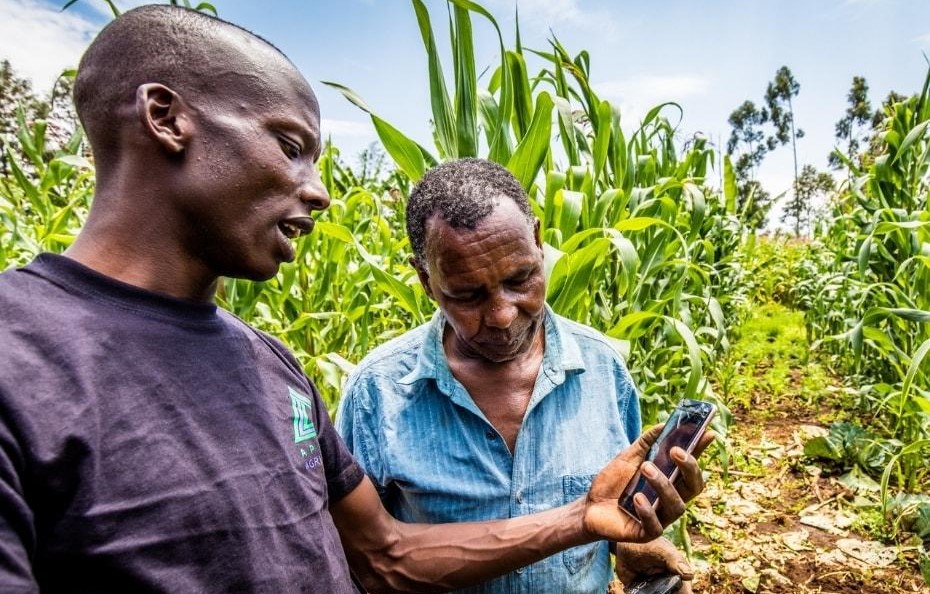
Digital surveillance can also improve the speed at which plant-health information is collected and shared. In 2026, Malawi's wider plant-health system began strengthening digital pest surveillance, with plant-health officers receiving tablets and geospatial tools to support real-time data collection and reporting.
Building climate-resilient plant health systems
As climate conditions continue to change, understanding where and when agricultural pests occur will become increasingly important for protecting crops and food security.
For MaDiPHS, connecting pest observations, climate data, geographic information and digital plant-health tools provides an opportunity to move towards more informed and timely pest management.
The objective is not simply to know where a pest has been found. It is to develop the evidence and digital tools needed to understand changing plant-health risks and help stakeholders respond more effectively.
MaDiPHS is helping build this foundation by bringing together data, technology and plant-health expertise to support a more connected and climate-aware agricultural plant-health system in Malawi.